Sleep Apnea Treatment
Getting enough sleep does not always mean getting good-quality sleep. If your breathing keeps stopping or becoming interrupted while you sleep, your body may not get the rest it needs. This condition is known as sleep apnea. Many people first notice a problem because of loud snoring. Others may wake up feeling tired even after spending enough hours in bed. Some people wake up suddenly while gasping for air, while others experience morning headaches, dry mouth or difficulty staying focused during the day.
Sleep apnea is a common sleep-related breathing problem, but it should not be ignored. With proper diagnosis and suitable sleep apnea treatment, breathing during sleep can be managed and sleep quality can improve.
What Is Sleep Apnea?
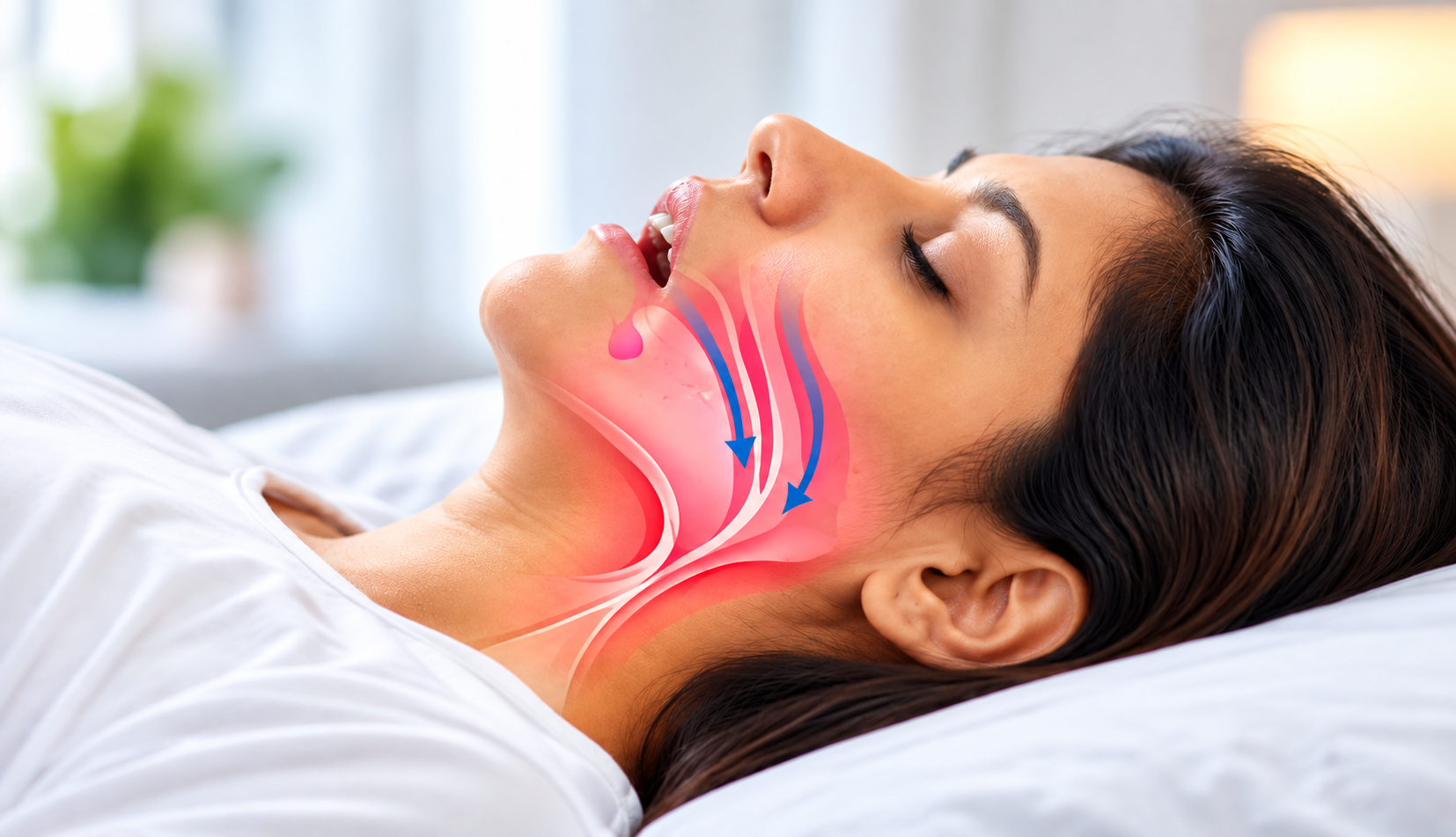
Sleep apnea is a condition in which breathing repeatedly stops and starts during sleep. The most common type is obstructive sleep apnea (OSA). It happens when the upper airway becomes narrowed or blocked while a person is sleeping.
There is also central sleep apnea, which occurs when the brain does not send the right signals to the muscles that control breathing. One of the challenges with sleep apnea is that the person may not realise that their breathing is being interrupted. A partner or family member may be the first person to notice loud snoring, pauses in breathing or sudden gasping during the night.
Symptoms of Sleep Apnea
Sleep apnea can affect people differently. Some may have noticeable nighttime symptoms, while others mainly complain about tiredness during the day.
- Loud and frequent snoring
- Pauses in breathing while sleeping
- Waking up suddenly with a choking or gasping sensation
- Excessive daytime sleepiness
- Feeling tired even after a full night's sleep
- Morning headaches
- Dry mouth after waking up
- Difficulty concentrating
- Restless or disturbed sleep
- Waking up frequently during the night
- Irritability or changes in mood
- Reduced energy during the day
Snoring does not always mean that someone has sleep apnea. However, when snoring is accompanied by breathing pauses, gasping or excessive daytime tiredness, it is worth getting evaluated.
What Causes Sleep Apnea?
In obstructive sleep apnea, the muscles around the upper airway relax during sleep. This can cause the airway to become narrow or blocked, making it difficult for air to move normally.
Several factors can increase the risk of developing sleep apnea. These may include excess body weight, certain airway or facial structures, enlarged tonsils and other conditions that affect normal breathing. Age and lifestyle can also play a role. However, sleep apnea is not limited to people who are overweight. It can affect people with different body types, which is why symptoms and medical history are more important than assumptions.
How Is Sleep Apnea Diagnosed?
Finding the reason behind disturbed sleep is the first step towards choosing the right sleep apnea treatment. During a consultation, the doctor may ask about your sleeping habits, snoring, daytime sleepiness, nighttime breathing problems and other health conditions. If you sleep with a partner, their observations can also be helpful because they may notice breathing pauses that you do not remember.
A sleep study may be recommended when sleep apnea is suspected. Depending on the situation, the test may be performed at a sleep centre or through an appropriate home-based sleep test. A sleep study records different aspects of sleep and breathing and can help determine whether sleep apnea is present and provide information about its severity.
Sleep Apnea Treatment Options
Treatment depends on the type of sleep apnea, its severity and the individual's overall health. Not everyone needs the same treatment, so the approach should be decided after proper evaluation.
CPAP Therapy
CPAP, or continuous positive airway pressure, is a commonly used treatment for obstructive sleep apnea. The machine delivers a steady flow of air through a mask while you sleep. This helps keep the upper airway open and reduces interruptions in breathing.
Getting used to a CPAP machine can take some time. Some people experience mask discomfort, nasal dryness or congestion in the beginning. These issues should be discussed with the treating doctor rather than stopping therapy on your own. Depending on the patient's needs, other forms of positive airway pressure, such as APAP or BPAP, may also be considered.
Oral Appliances
An oral appliance may be suitable for some people with obstructive sleep apnea. It is worn during sleep and is designed to help keep the airway open. This option is not appropriate for everyone. If an oral appliance is being considered, proper assessment and fitting are important.
Lifestyle Changes
Lifestyle changes can also support sleep apnea management. Depending on the person's health and circumstances, a doctor may recommend maintaining a healthy weight, staying physically active and following a consistent sleep routine.
Avoiding smoking and limiting alcohol may also be advised. For some people with obstructive sleep apnea, sleeping on the side instead of the back may help reduce breathing problems during sleep. These changes can support medical treatment, but should not replace prescribed therapy when treatment is medically necessary.
Other Treatment Options
Some patients may need other approaches depending on the cause and severity of their sleep apnea. If standard treatments are not suitable or do not provide adequate control, a doctor may consider other specialised treatments or selected surgical procedures. The appropriate option depends on the individual case and should be decided after a proper assessment.
Why Is Sleep Apnea Treatment Important?
Sleep apnea can disturb sleep repeatedly throughout the night. A person may not fully wake up each time their breathing is interrupted, but these repeated disturbances can still affect the quality of sleep.
This may leave a person feeling tired, sleepy or less alert during the day. Some people also experience problems with concentration, memory or mood. Sleep apnea has also been linked with health problems such as high blood pressure and cardiovascular conditions. For this reason, treatment is not only about reducing snoring. The aim is to improve nighttime breathing and support healthier, more restful sleep.
When Should You See a Pulmonologist?
You should consider consulting a Pulmonologist in Panchkula if you regularly snore loudly, wake up gasping for air or feel unusually tired during the day.
A consultation is particularly important if tiredness is affecting your work, driving or everyday activities. A Pulmonology Doctor in Panchkula can review your symptoms and medical history and decide whether a sleep study or further evaluation is required.
Sleep Apnea Treatment in Panchkula
If you are looking for Sleep Apnea Treatment in Panchkula, proper evaluation is important before deciding on treatment.
Dr. Amit Kumar Mandal is a specialist in Pulmonology, Sleep Medicine and Critical Care. Patients experiencing persistent snoring, disturbed sleep, suspected sleep apnea or excessive daytime sleepiness can consult a specialist for an appropriate evaluation.
As a Lung Specialist in Panchkula, Dr. Amit Kumar Mandal also evaluates respiratory and sleep-related breathing concerns. Depending on the symptoms and medical history, a sleep study may be recommended to understand what is happening during sleep. Once the condition is assessed, the treatment approach can be planned according to the patient's individual needs.
Managing Sleep Apnea in the Long Term
Sleep apnea treatment is not always a one-time process. Regular follow-up can be useful to check whether the treatment is working well and whether any changes are needed.
People using CPAP or another prescribed therapy should use it consistently as advised by their doctor. If the mask is uncomfortable, the machine feels difficult to use or symptoms continue, these concerns should be discussed during follow-up rather than stopping treatment without medical advice.
Changes in weight, symptoms or overall health may also mean that treatment needs to be reviewed. Maintaining healthy sleep habits, following the recommended treatment and attending regular follow-ups can make long-term management easier.
Do Not Ignore Breathing Problems During Sleep
Snoring is often treated as a harmless habit, but loud snoring along with breathing pauses, gasping or excessive daytime sleepiness can sometimes indicate sleep apnea.
If you or your family member notices these symptoms regularly, getting a proper evaluation can help identify the cause. The right diagnosis and treatment can help manage nighttime breathing problems and support better-quality sleep.