Pneumonia Treatment
A cough and fever can often be mistaken for a common seasonal infection. Many people wait for a few days hoping that the symptoms will settle on their own. But when the cough becomes persistent, fever continues, or breathing starts to feel difficult, the problem may be more than a routine respiratory infection.
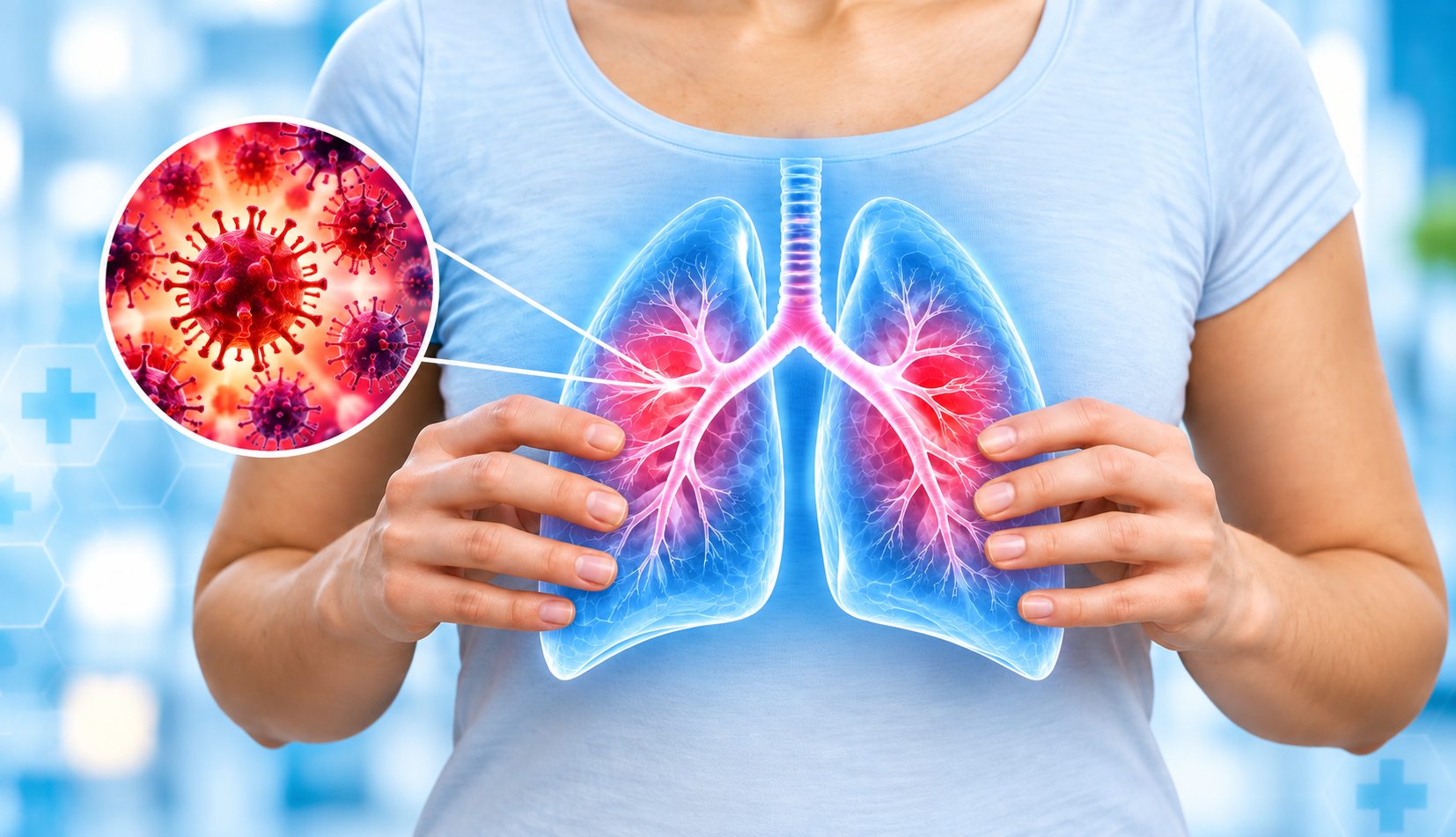
Pneumonia is an infection of the lungs that can affect one or both lungs. During pneumonia, the tiny air sacs in the lungs can become inflamed and may fill with fluid or pus. This can make breathing difficult and may reduce the amount of oxygen reaching the bloodstream. Pneumonia can be caused by bacteria, viruses, fungi and, less commonly, other infectious organisms. The severity varies from person to person and depends on the cause of infection, age and overall health.
For some people, pneumonia can be managed at home with appropriate treatment. Others may need hospital admission, oxygen support or closer monitoring. Recognising when medical attention is needed is therefore an important part of pneumonia care.
What Is Pneumonia?
Pneumonia develops when an infection affects the lung tissue and causes inflammation. The small air sacs, known as alveoli, play a major role in transferring oxygen into the blood. When they become filled with fluid or pus, normal breathing and oxygen exchange can be affected.
The illness does not look exactly the same in every patient. One person may have a cough, fever and tiredness, while another may develop significant breathlessness or chest pain. Older adults and people with other health conditions may sometimes show less typical symptoms.
There are also different settings in which pneumonia can develop. A person may develop community-acquired pneumonia while living at home, whereas pneumonia associated with a healthcare setting can involve different organisms and treatment considerations.
Pneumonia Symptoms
Pneumonia can start suddenly or develop gradually. In some cases, it may follow another respiratory infection.
- Persistent cough, with or without mucus
- Fever or chills
- Shortness of breath
- Chest pain that may become worse while coughing or taking a deep breath
- Feeling unusually tired or weak
- Muscle or body aches
- Headache
- Nausea, vomiting or diarrhoea in some cases
Low oxygen levels can occur when the infection affects a significant portion of the lungs. In older adults, pneumonia may sometimes present with unusual weakness or confusion rather than a typical high fever.
The important thing is not to judge the seriousness of pneumonia only by the intensity of the cough. Someone with a relatively mild-looking cough can still have significant lung involvement, particularly if there is breathlessness or low oxygen.
What Causes Pneumonia?
Pneumonia is caused by infection, but the specific organism can be different from one patient to another.
Bacteria and viruses are common causes. Fungal infections are less common but can occur in certain situations. Some respiratory viruses, including influenza, RSV and COVID-19, can cause pneumonia. Pneumococcal bacteria are another recognised cause of bacterial pneumonia.
Sometimes the exact organism cannot be identified even after testing. That does not necessarily prevent treatment, as doctors can use the patient's symptoms, examination findings, imaging and overall clinical condition to guide management.
This is also why antibiotics should not automatically be taken for every cough or fever. Antibiotics treat bacterial infections; they do not work against viral infections.
Who Is More at Risk?
Pneumonia can affect anyone, but some people are more likely to develop a serious infection.
The risk can be higher in older adults, young children and people living with chronic health conditions. Chronic lung disease, heart disease and diabetes can increase the risk, as can conditions or medicines that weaken the immune system. Smoking is another factor associated with increased risk.
For someone who already has asthma, COPD, bronchiectasis or another respiratory condition, a new infection may cause a more noticeable change in breathing. Such patients should not ignore a sudden increase in cough, mucus or breathlessness.
How Is Pneumonia Diagnosed?
Pneumonia cannot always be diagnosed from symptoms alone because its symptoms can overlap with flu, bronchitis and other respiratory illnesses.
The doctor usually starts by asking about the symptoms, when they began and whether they are getting better or worse. Your medical history, smoking history, recent infections, medications and other health conditions may also be discussed.
During the examination, the doctor may listen to the lungs and check temperature, heart rate and oxygen saturation.
A chest X-ray is commonly used when pneumonia is suspected. It can help identify areas of inflammation in the lungs. Depending on the patient's condition, blood tests, sputum testing or other investigations may also be recommended. Pulse oximetry is useful for checking oxygen levels.
If pneumonia is severe, complicated or not responding as expected, additional tests may be required. These can include a CT scan, blood gas testing, cultures, PCR-based tests or, in selected cases, bronchoscopy.
Pneumonia Treatment
Pneumonia treatment depends mainly on the cause of the infection and how severely the lungs are affected.
When pneumonia is caused by bacteria, antibiotics may be prescribed. The choice of antibiotic depends on the clinical situation and other factors considered by the treating doctor. If the pneumonia is caused by a virus, antiviral treatment may be appropriate in selected cases. Fungal pneumonia requires antifungal medicines when indicated.
Treatment is not limited to medicines. Rest, adequate fluids and appropriate management of fever or discomfort can form part of recovery in suitable patients.
For people with low oxygen levels, oxygen therapy may be required. Patients with more serious pneumonia may need hospitalisation so that medicines, fluids, oxygen and other supportive treatment can be provided and monitored. In very severe cases, ventilatory support may be necessary.
There is no single pneumonia medicine that is right for every patient. The treatment plan should be based on the likely cause, severity and overall health of the individual.
When Does Pneumonia Need Hospital Treatment?
A mild case of pneumonia may be treated outside the hospital, but some infections can become serious.
Hospital care may be considered when a patient has significant breathing difficulty, low oxygen levels, severe weakness, confusion or other signs of a serious infection. People who are older or have significant underlying health problems may also require closer observation.
Severe pneumonia can affect more than just breathing. Complications may occur when the infection is extensive or the body is struggling to maintain adequate oxygen levels.
If someone with pneumonia suddenly becomes much more breathless, confused, extremely weak or unable to perform normal activities, medical attention should be sought promptly.
Recovering From Pneumonia
Getting rid of the infection is only one part of recovery. It can take time for the lungs and the body to return to their previous level of function.
Some people start feeling considerably better within a couple of weeks, while others continue to experience tiredness, cough or reduced stamina for longer. Recovery can depend on the severity of pneumonia, the person's age and other health conditions.
It is important to follow the prescribed treatment rather than stopping medicines simply because the symptoms have started to improve. Antibiotics, when prescribed, should be taken according to the doctor's instructions.
Physical activity should also be increased gradually. If you still become unusually breathless or weak, discuss it with your doctor rather than trying to push through the symptoms.
Can Pneumonia Be Prevented?
Pneumonia cannot always be prevented, but certain measures can reduce the risk.
Vaccination can help protect against some infections that can lead to pneumonia. Depending on age, medical history and individual risk, a doctor may recommend appropriate vaccines, including those against pneumococcal disease and influenza.
Simple habits also matter. Regular hand hygiene, avoiding close contact with people who are actively ill and avoiding smoking can help reduce respiratory infection risk. People with chronic conditions should continue appropriate treatment and discuss preventive measures with their healthcare provider.
When Should You Consult a Pulmonologist?
A cough that lasts for a few days does not necessarily mean pneumonia. However, when cough is accompanied by persistent fever, chest pain, breathlessness or significant weakness, it is better to get evaluated.
A pulmonologist can be particularly helpful when:
- Breathing becomes difficult
- Fever continues with a persistent cough
- Chest pain occurs while breathing or coughing
- Oxygen levels are lower than expected
- Pneumonia keeps coming back
- Symptoms are not improving with treatment
- You already have a chronic lung condition
- There is a significant decline in your ability to perform normal activities
People searching online for a pulmonologist near Panchkula Chandigarh may be looking for specialist advice about a new lung infection or repeated respiratory problems. A proper consultation can help determine whether the symptoms are consistent with pneumonia and whether further testing is required.
Similarly, someone looking for a lung specialist near Panchkula may have been advised to see a respiratory specialist after an abnormal chest X-ray or because of persistent symptoms following an infection.
Pneumonia Care in Panchkula and Tricity
Pneumonia needs to be assessed in the context of the individual patient. A young and otherwise healthy person with a mild infection may have very different needs from an older patient with COPD, diabetes or heart disease.
Patients may come across the phrase best respiratory specialist in Tricity while searching for pneumonia or other lung-related care. When choosing a specialist, it is useful to focus on proper clinical evaluation, experience in respiratory conditions and the ability to assess the severity of the infection rather than relying only on online descriptions.
For patients in Panchkula, Chandigarh, Mohali and nearby areas, timely consultation can be especially useful when symptoms are persistent, recurrent or associated with an existing lung condition.
Don't Ignore Worsening Breathing
Pneumonia can range from a relatively mild infection to a serious illness requiring hospital or intensive care. The symptoms should therefore be taken seriously when they are getting worse.
Persistent fever, increasing breathlessness, chest pain, low oxygen levels, confusion or severe weakness are signs that should not be ignored.
If you suspect pneumonia, avoid starting antibiotics on your own. A doctor can assess the symptoms, examine the lungs, check oxygen levels and recommend investigations when needed. Once the cause and severity are understood, an appropriate treatment plan can be started.
With timely medical attention, appropriate treatment and adequate recovery time, many people recover from pneumonia and gradually return to their usual activities. The key is recognising when a simple-looking respiratory infection needs professional evaluation.