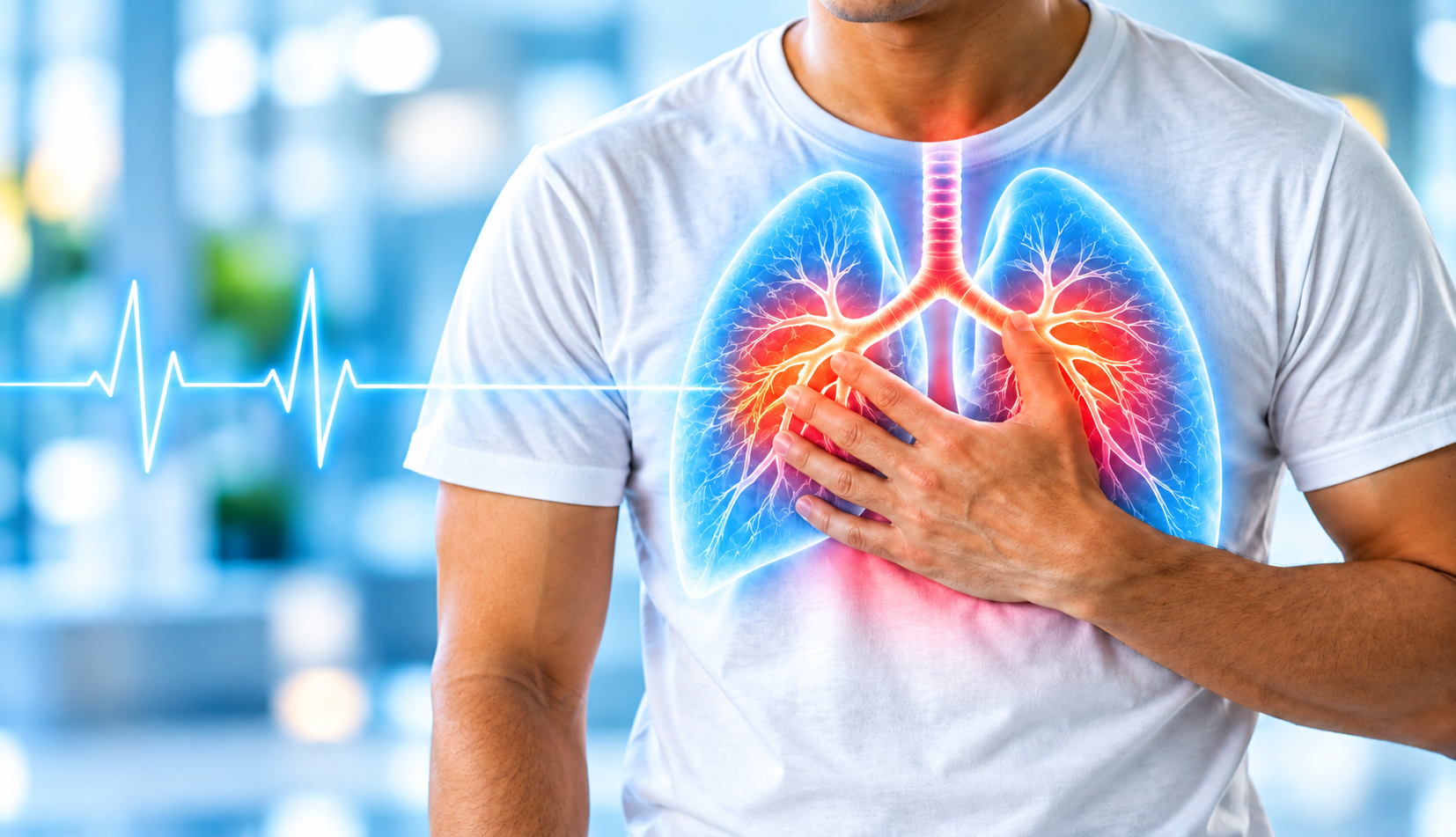
Pulmonary Embolism
Breathing difficulty that starts suddenly can be alarming. If it is accompanied by chest pain, a fast heartbeat, dizziness or coughing up blood, it should never be taken lightly. One condition that doctors may need to rule out in such situations is pulmonary embolism.
A pulmonary embolism, or PE, happens when a blood clot blocks a blood vessel in the lungs. In many cases, the clot develops in a deep vein of the leg or another part of the body and then travels through the bloodstream to the lungs. Depending on the size and location of the clot, a pulmonary embolism can range from a less severe event to a medical emergency.
What Is Pulmonary Embolism?
Pulmonary embolism occurs when a blood clot blocks blood flow through one of the arteries in the lungs. It is often linked to deep vein thrombosis (DVT), where a clot develops in a deep vein, most commonly in the leg. If part of that clot breaks away, it can travel through the bloodstream and reach the lungs.
Not everyone with a pulmonary embolism experiences the same symptoms. Some people develop sudden breathlessness or chest pain, while others may experience a rapid heartbeat, dizziness or fainting. A PE can also occur without obvious symptoms of DVT.
Symptoms of Pulmonary Embolism
Pulmonary embolism can develop suddenly, although symptoms vary from person to person.
- Sudden shortness of breath
- Chest pain or discomfort, particularly when taking a deep breath or coughing
- Fast or irregular heartbeat
- Persistent or unexplained cough
- Coughing up blood
- Lightheadedness
- Feeling faint or passing out
Some people may also have signs of a blood clot in the leg, such as swelling, pain, tenderness, warmth or redness. However, the absence of leg symptoms does not rule out pulmonary embolism.
What Increases the Risk of Pulmonary Embolism?
A blood clot can develop for different reasons, and certain situations can make clot formation more likely.
- Recent surgery
- Hospitalisation or prolonged bed rest
- Long periods of sitting or limited movement
- Long-distance travel
- Previous DVT or pulmonary embolism
- Certain cancers
- Pregnancy and the period after pregnancy
- Increasing age
- Obesity
- Certain hormone-containing medicines
- Some chronic medical conditions
- A personal or family history of blood clots
Having one or more risk factors does not mean that a person will definitely develop PE. It simply means that the possibility may be higher when compatible symptoms occur.
Pulmonary Embolism and DVT
DVT and pulmonary embolism are closely related. A DVT may cause swelling or pain in one leg, but some people have very few symptoms. If part of the clot breaks away, it can travel through the bloodstream and reach the lungs.
This is particularly relevant for people who have recently undergone surgery, spent a long time in bed or had another situation that significantly limited movement.
How Is Pulmonary Embolism Diagnosed?
Pulmonary embolism cannot be confirmed from symptoms alone because several other conditions can cause similar breathing or chest symptoms. The doctor considers the symptoms, medical history, risk factors and examination findings before deciding which tests are appropriate.
CT Pulmonary Angiography
CT pulmonary angiography (CTPA) is commonly used to look for blood clots in the blood vessels of the lungs. It uses CT imaging and contrast material to produce detailed images of the pulmonary circulation.
V/Q Scan
A ventilation-perfusion scan, or V/Q scan, may be used in selected situations. It assesses the relationship between air reaching the lungs and blood flowing through them.
Blood Tests and Other Investigations
Blood tests may form part of the assessment. If DVT is suspected, an ultrasound of the leg may also be recommended. Other investigations depend on the patient's symptoms and overall clinical condition.
Pulmonary Embolism Treatment
Treatment depends on the severity of the pulmonary embolism and the patient's overall condition.
Anticoagulant Medicines
Anticoagulants are commonly used to treat pulmonary embolism. They reduce the blood's ability to form clots, helping prevent an existing clot from becoming larger and reducing the risk of additional clots. These medicines may be given as injections or tablets depending on the circumstances.
Because anticoagulants can increase the risk of bleeding, they should be taken only as prescribed and under appropriate medical supervision.
Clot-Dissolving Medicines
In severe, life-threatening pulmonary embolism, doctors may consider thrombolytic medicines. These medicines can dissolve blood clots more quickly but also carry a greater risk of serious bleeding, so they are reserved for selected patients.
Procedures to Remove the Clot
In certain serious cases, a procedure may be considered to remove the clot from the pulmonary circulation. The approach depends on the patient's condition and the clinical situation.
Recovery After Pulmonary Embolism
Recovery is different for every person. Some people feel better relatively quickly after treatment, while others continue to experience tiredness or breathlessness for some time.
Follow-up is important because anticoagulant treatment may need to continue for a period of time to reduce the risk of another blood clot. The duration depends on factors such as why the clot developed and the individual's risk of future clotting and bleeding.
Can Pulmonary Embolism Be Prevented?
Not every pulmonary embolism can be prevented, but certain measures can reduce the risk of blood clots in people who are at risk. After surgery or hospitalisation, following medical advice about movement and clot prevention is important.
During long journeys, avoiding prolonged periods of complete inactivity can also help. People who have previously had DVT or PE should discuss their individual risk before long-distance travel, surgery or other situations involving prolonged immobility.
Role of a Pulmonologist in Pulmonary Embolism
A pulmonologist may be involved when a patient develops unexplained breathlessness, chest discomfort or other symptoms that could indicate a lung-related problem.
If you are looking for a Pulmonary Embolism specialist in Panchkula, timely medical evaluation is important when symptoms suggest a possible blood clot. A pulmonologist may also be involved during follow-up when breathing difficulties continue after treatment.
Pulmonary Function Tests and Pulmonary Embolism
A pulmonary function test in Panchkula may sometimes be useful when a patient continues to experience breathlessness and the doctor needs to evaluate overall lung function.
A PFT test in Panchkula measures different aspects of how the lungs work, including airflow and lung capacity. It can be useful when another respiratory condition such as asthma or chronic airway disease is also suspected.
However, a PFT is not the main test used to diagnose an acute pulmonary embolism. When PE is suspected, appropriate imaging such as CT pulmonary angiography or a V/Q scan is used to look for a clot.
What About Bronchoscopy?
Bronchoscopy is a procedure used to examine the inside of the airways and is useful for evaluating certain respiratory conditions. It is not the routine diagnostic test for pulmonary embolism.
If you are searching for a bronchoscopy specialist in Panchkula, the reason for the procedure should be discussed with a pulmonologist. Whether bronchoscopy is required depends on the symptoms and the suspected underlying lung problem. For pulmonary embolism itself, appropriate vascular imaging is generally the focus of diagnosis.
When Should You Seek Immediate Medical Help?
Do not wait for a routine consultation if you suddenly develop:
- Severe difficulty breathing
- Chest pain, especially pain that worsens with deep breathing
- Coughing up blood
- Very fast or irregular heartbeat
- Severe dizziness
- Fainting or feeling that you may pass out
These symptoms can occur with pulmonary embolism and require urgent medical assessment.
Pulmonary Embolism Care in Panchkula
Pulmonary embolism needs timely evaluation because its symptoms can overlap with other heart and lung conditions. If you are experiencing unexplained breathlessness or chest symptoms in Panchkula, a pulmonologist can review your symptoms, medical history and risk factors and guide you regarding further evaluation.
Dr. Amit Kumar Mandal specialises in Pulmonology, Sleep Medicine and Critical Care and provides evaluation for a range of respiratory conditions. Patients who have already been treated for pulmonary embolism may also require follow-up if breathlessness, reduced exercise tolerance or other respiratory symptoms continue.
Do Not Ignore Sudden Breathing Problems
Pulmonary embolism is not something that should be self-treated or simply watched at home when significant symptoms are present.
Sudden breathlessness, chest pain, coughing up blood or fainting can have several possible causes, but a blood clot in the lungs is one of the serious conditions that needs to be considered quickly. Recognising the symptoms, understanding your risk factors and seeking timely medical attention can help ensure that the right evaluation and treatment are started when needed.