Pneumothorax Care
Sudden chest pain and difficulty in breathing can be alarming, especially when there is no clear reason for it. One of the possible causes is pneumothorax, commonly known as a collapsed lung. It happens when air collects in the space between the lung and the chest wall, making it difficult for the affected lung to expand normally.
Pneumothorax does not look the same in every patient. In some cases, the amount of air is small and the symptoms may be limited. In other cases, the lung can collapse more significantly and breathing may become difficult. The cause also varies. It may occur on its own, develop because of an existing lung condition, follow a chest injury or occur after certain medical procedures.
Because of these differences, pneumothorax care is planned according to the patient's symptoms, the size of the pneumothorax, its cause and overall health.
What Is Pneumothorax?
The lungs are surrounded by a thin lining called the pleura. There is normally only a very small amount of fluid between the two layers of this lining, allowing the lungs to move smoothly when we breathe.
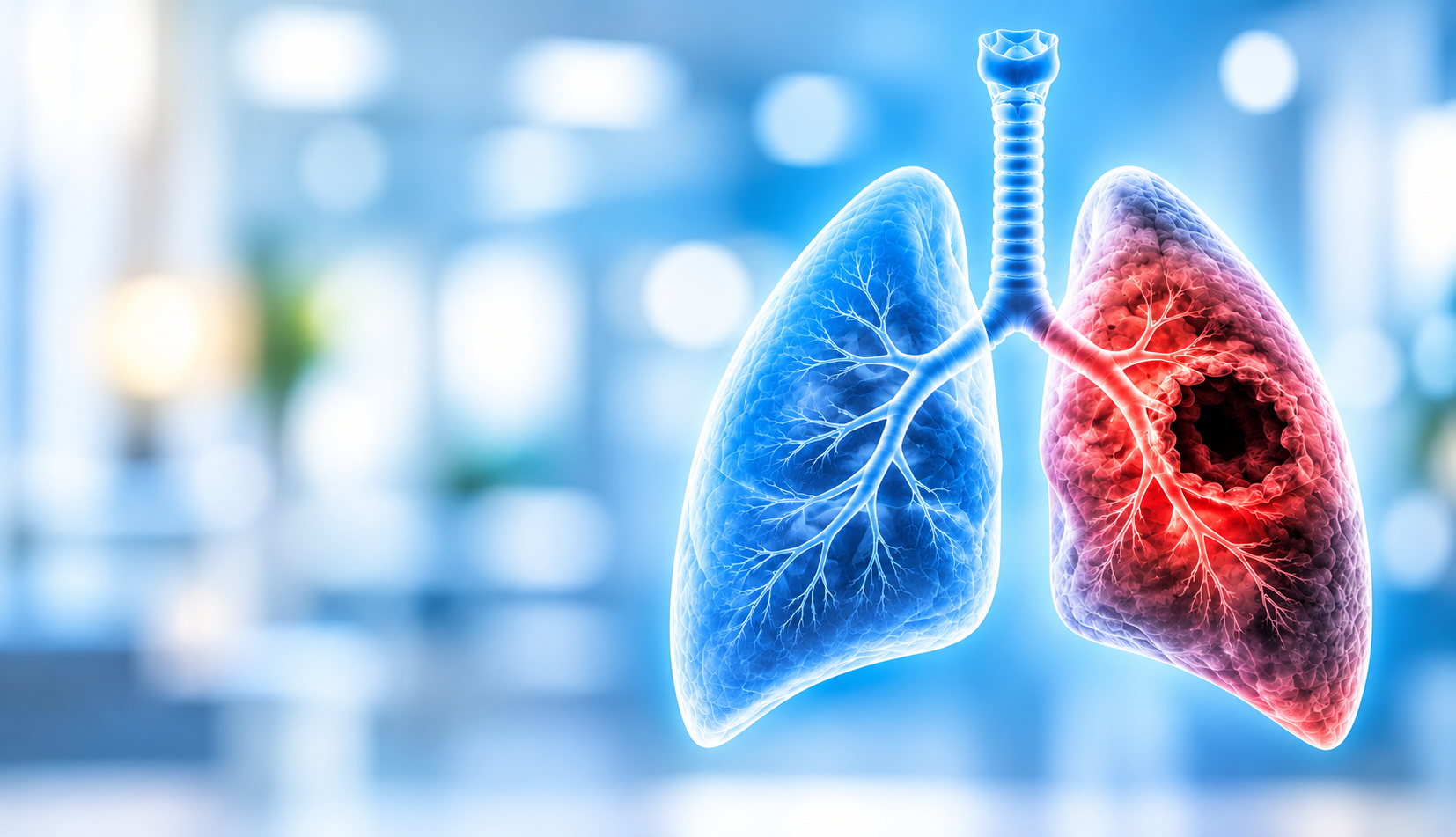
A pneumothorax occurs when air enters this space. The additional air changes the pressure around the lung and can cause part or all of the lung to collapse.
A collapsed lung does not necessarily mean the entire lung has stopped working. A small pneumothorax may settle with observation and appropriate follow-up, while a larger one may require a procedure to remove the trapped air.
This is why proper assessment is important before deciding on treatment.
Symptoms of Pneumothorax
Pneumothorax can sometimes develop suddenly. Chest pain and breathlessness are the symptoms people most commonly notice.
Other symptoms may include:
- Sudden or sharp chest pain
- Shortness of breath
- Chest tightness
- Difficulty taking a deep breath
- Rapid breathing
- Dry cough
- Increased heart rate
- Feeling uncomfortable while breathing
Symptoms can vary depending on the size of the pneumothorax and the person's existing health.
If chest pain or breathlessness develops suddenly and becomes severe, it should not be ignored. Rapidly worsening breathing difficulty, fainting, dizziness or severe chest discomfort requires urgent medical attention.
What Causes Pneumothorax?
There is more than one reason why pneumothorax can occur. Understanding the cause is important because it can influence both treatment and the risk of recurrence.
Spontaneous Pneumothorax
A spontaneous pneumothorax occurs without a major chest injury. It may happen in people who have not previously been diagnosed with a lung condition.
In some cases, small weak areas or air-filled spaces in the lung can rupture and allow air to escape into the pleural space.
Smoking is also associated with a higher risk of spontaneous pneumothorax.
Pneumothorax Due to Lung Disease
Pneumothorax can occur in people who already have an underlying lung problem. Conditions such as COPD and emphysema can increase the risk.
Other chronic or structural lung conditions may also make the lung more vulnerable. When pneumothorax occurs in someone with an existing respiratory disease, treatment needs to take the underlying condition into account.
Traumatic Pneumothorax
A significant injury to the chest can allow air to enter the pleural space. This may happen after a road accident, fall, sports injury or another type of trauma.
Pneumothorax can also occasionally develop as a complication of certain medical procedures involving the chest or lungs.
How Is Pneumothorax Diagnosed?
The diagnosis usually begins with a discussion about the symptoms and a physical examination. The doctor may check breathing, oxygen levels, heart rate and other clinical signs.
Imaging is generally needed to confirm the diagnosis.
Chest X-Ray
A chest X-ray can show air around the lung and help determine whether the lung has partially or significantly collapsed.
In many cases, it provides enough information for the doctor to begin planning management.
Chest Ultrasound
Ultrasound can also help assess the pleural space in appropriate clinical settings. It may be particularly useful when a rapid bedside assessment is required.
CT Scan
A CT scan provides a more detailed picture of the lungs and chest. It is not required in every case, but the doctor may recommend it when the diagnosis is unclear or when an underlying lung abnormality needs closer evaluation.
The choice of investigation depends on the patient's symptoms, clinical findings and individual circumstances.
Pneumothorax Care and Treatment
Treatment is not identical for every patient. A small pneumothorax with limited symptoms may be managed differently from a larger pneumothorax that is causing significant breathing difficulty.
The doctor considers the size of the pneumothorax, symptoms, cause, previous episodes and the patient's overall health before deciding on the next step.
Observation
Some small pneumothoraces can be monitored without an immediate invasive procedure, particularly when the patient is clinically stable.
In such situations, follow-up and repeat imaging may be advised to check whether the air is resolving and the lung is returning to its normal position.
Patients should also know which symptoms require urgent reassessment.
Removing Air From the Pleural Space
When active treatment is needed, the trapped air may be removed from around the lung.
Depending on the situation, this may involve needle aspiration or insertion of a chest tube. A chest tube allows air to leave the pleural space and gives the lung an opportunity to expand again.
The choice between different approaches depends on the individual case and should be made by the treating medical team.
Surgery in Selected Cases
Pneumothorax can sometimes happen again after an earlier episode. If there is a high risk of recurrence, repeated pneumothorax or another specific clinical reason, surgical treatment may be discussed.
The decision is not the same for everyone. A respiratory specialist and, when required, a thoracic surgeon can discuss the potential benefits and risks based on the patient's condition.
Why Follow-Up Is Important
Even when chest pain and breathlessness improve, follow-up should not be skipped.
The doctor may recommend repeat imaging to confirm that the lung has expanded properly and that the pneumothorax is resolving. Follow-up also gives an opportunity to discuss the cause of the episode and ways to reduce future risks.
If you have previously experienced pneumothorax and develop similar chest pain or breathing difficulty again, seek medical advice instead of assuming that the symptoms will settle on their own.
Pneumothorax and Smoking
Smoking is associated with an increased risk of spontaneous pneumothorax and can have a broader impact on lung health.
If you smoke and have experienced pneumothorax, quitting can be an important step towards protecting your lungs. Your doctor can also guide you regarding smoking cessation support if needed.
Can Pneumothorax Happen Again?
Yes, pneumothorax can recur in some people. The risk depends on the type of pneumothorax, its cause, previous episodes and the presence of underlying lung disease.
This is one reason why the first episode should not simply be treated as an isolated event. Depending on the circumstances, the doctor may look for an underlying lung problem and discuss measures that may reduce the chance of recurrence.
Any new episode of sudden chest pain or unexplained breathlessness after previous pneumothorax deserves medical assessment.
When Should You See a Pulmonologist?
Not every episode of chest pain is caused by pneumothorax, but sudden chest pain with breathing difficulty should always be taken seriously.
A medical evaluation is particularly important if you experience:
- Sudden chest pain
- New or worsening breathlessness
- Difficulty breathing after a chest injury
- Persistent chest discomfort
- Symptoms returning after previous pneumothorax
- An abnormality reported on a chest X-ray or CT scan
- New respiratory symptoms along with a known lung condition
A pulmonologist can review the symptoms and investigations and determine whether further treatment or monitoring is needed.
Pneumothorax Care in Panchkula
If you are looking for Pneumothorax Care in Panchkula, timely assessment can help determine what is causing the problem and how serious it is.
Dr. Amit Kumar Mandal specialises in Pulmonology, Sleep Medicine and Critical Care. Patients with suspected pneumothorax, sudden breathing difficulty, unexplained chest pain or an existing respiratory condition can undergo a detailed evaluation based on their symptoms, clinical examination and relevant investigations.
People searching online for the Best Respiratory Medicine Doctor in Panchkula should focus on finding appropriate specialist evaluation, especially when symptoms are sudden or severe. Pneumothorax requires a clinical assessment rather than self-treatment.
A Top Pulmonologist in Panchkula can assess respiratory symptoms, review chest imaging and help determine whether observation, active treatment, further investigations or specialist intervention may be required.
Recovery After Pneumothorax
Recovery time can vary from person to person. It depends on the size of the pneumothorax, the treatment received, whether the lung has fully re-expanded and whether another lung condition is present.
Your doctor can guide you about returning to work, exercise and other activities according to your recovery.
It is also important to follow the advice given after treatment and attend recommended follow-up appointments. Do not restart strenuous activities simply because the symptoms have improved.
When to Seek Urgent Medical Help
Sudden or rapidly worsening breathlessness should never be ignored. Immediate medical attention is particularly important when breathing becomes difficult, chest pain becomes severe, or symptoms are accompanied by dizziness, fainting or significant weakness.
A pneumothorax can sometimes become serious and requires prompt treatment. Getting medical help early allows the condition to be assessed and managed appropriately.
Take Sudden Breathing Problems Seriously
Pneumothorax can be a small and self-limiting problem in some people, while in others it may require urgent treatment. The cause, size of the pneumothorax and the patient's symptoms all matter when deciding how to manage it.
If you experience sudden chest pain or unexplained breathlessness, do not ignore the symptoms or rely only on home remedies. Proper diagnosis is the first step towards appropriate pneumothorax care.
With timely evaluation, suitable treatment and follow-up, patients can be guided through recovery while also addressing factors that may increase the risk of another episode.