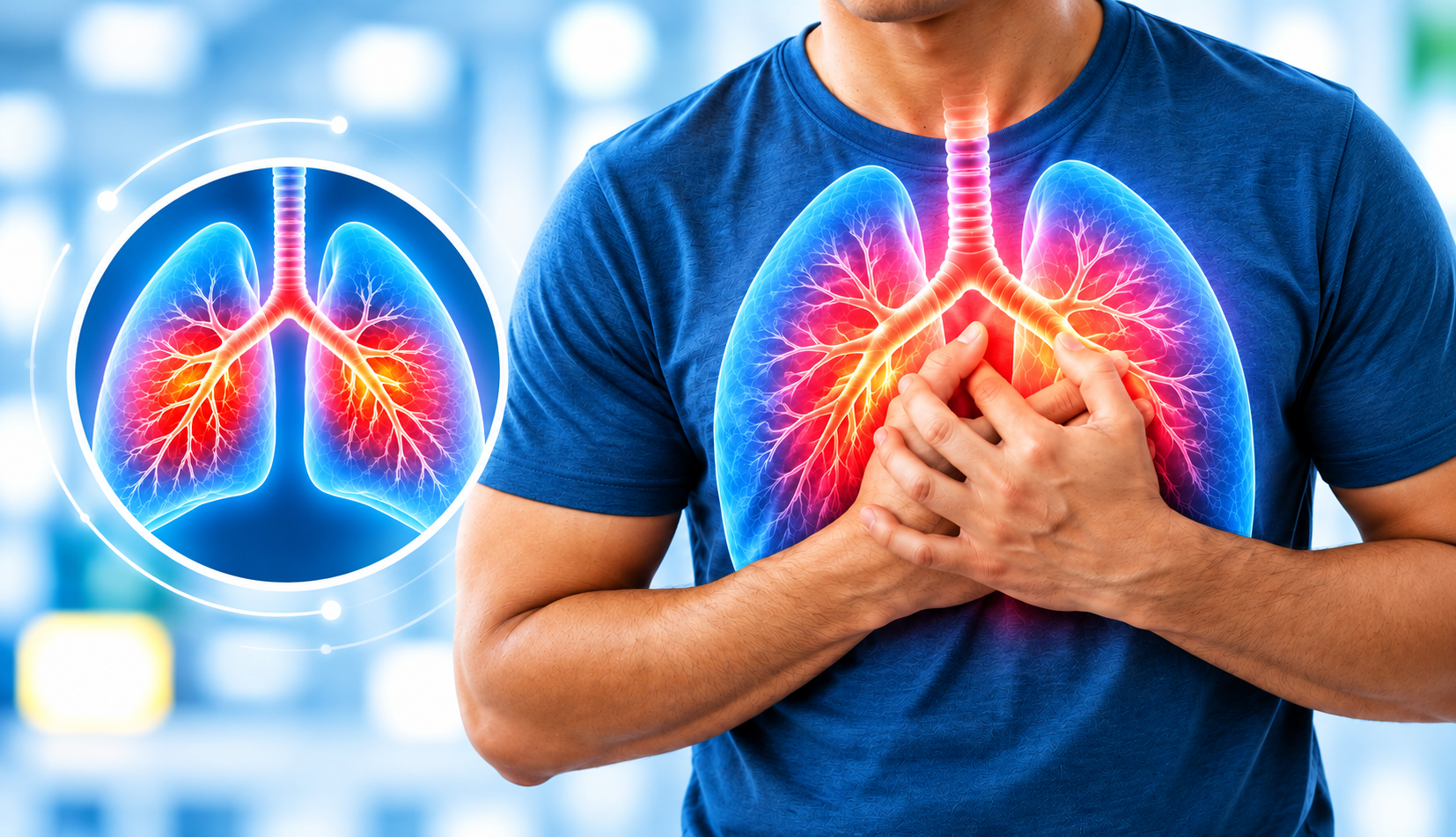
Pulmonary Hypertension
Breathlessness is something many people tend to ignore, especially when it starts gradually. You may notice that climbing stairs has become more difficult, you need to stop while walking, or you feel unusually tired after activities that were once easy. Sometimes these changes are blamed on age, lack of exercise or a busy routine. But persistent or gradually worsening breathlessness can sometimes point towards an underlying heart or lung problem.
One such condition is pulmonary hypertension.
Pulmonary hypertension means that the pressure in the blood vessels carrying blood from the heart to the lungs is higher than normal. When this pressure remains elevated, the right side of the heart has to work harder to pump blood through the lungs. Over time, this additional strain can affect heart function and a person's ability to remain physically active.
Pulmonary hypertension can develop for different reasons. It may be associated with heart disease, chronic lung conditions, blood clots affecting the lungs or certain other medical conditions. Because the symptoms can resemble asthma, COPD, heart disease and other respiratory problems, identifying the underlying cause is an important part of the evaluation.
What Is Pulmonary Hypertension?
The lungs contain a network of blood vessels through which blood travels to receive oxygen. Normally, blood moves through these vessels without excessive resistance. In pulmonary hypertension, changes in the pulmonary blood vessels can increase the resistance to blood flow.
As a result, the heart needs to work harder to push blood through the lungs.
The condition can vary considerably from one person to another. Some people may have relatively mild symptoms for a long time, while others may develop significant breathlessness and reduced exercise capacity.
Pulmonary hypertension is also not the same as ordinary high blood pressure. High blood pressure refers to pressure in the body's systemic arteries, whereas pulmonary hypertension involves the blood vessels between the heart and lungs.
Symptoms of Pulmonary Hypertension
The early symptoms of pulmonary hypertension can be easy to overlook. Breathlessness may initially occur only during strenuous activity and later become noticeable during routine tasks.
- Shortness of breath during physical activity
- Unusual tiredness
- Reduced exercise capacity
- Dizziness or lightheadedness
- Chest discomfort or pressure
- Fast or irregular heartbeat
- Swelling in the ankles, legs or feet
- Weakness after physical activity
Some people may also experience fainting, particularly when the condition becomes more advanced.
These symptoms are not specific to pulmonary hypertension. Asthma, COPD, heart conditions, anaemia and several other problems can cause similar complaints. This is why persistent symptoms should be evaluated rather than self-diagnosed.
What Causes Pulmonary Hypertension?
Pulmonary hypertension can have several different causes.
Some forms are related to changes in the pulmonary arteries themselves. In other cases, the condition develops because of another health problem affecting the heart, lungs or blood vessels.
Possible causes and associated conditions include:
- Chronic obstructive pulmonary disease
- Interstitial lung diseases
- Certain heart diseases
- Congenital heart conditions
- Previous or chronic blood clots in the lungs
- Certain connective tissue diseases
- Sleep-related breathing disorders
- Some medicines or medical conditions
In some patients, the exact cause may not be immediately clear. A detailed evaluation may therefore be needed before the specific type of pulmonary hypertension can be identified.
Pulmonary Hypertension and Other Lung Conditions
People with long-standing lung disease may develop changes in the pulmonary circulation. Chronic respiratory conditions can affect oxygen levels and place additional stress on the blood vessels of the lungs.
However, having asthma or another lung condition does not automatically mean that a person has pulmonary hypertension.
For example, someone with difficult-to-control asthma may continue to experience breathlessness despite regular treatment. In such cases, a specialist evaluation can help determine whether the symptoms are related to asthma itself or whether another condition needs to be considered.
Patients searching for a severe asthma specialist in Panchkula should discuss persistent or worsening symptoms with a pulmonologist, particularly when usual asthma treatment does not seem to explain the level of breathlessness.
Similarly, some patients with ABPA may have ongoing respiratory symptoms that require specialist care. If you are looking for an ABPA specialist in Panchkula, it is useful to provide your previous reports, imaging and treatment history during the consultation so the doctor can understand the complete respiratory picture.
How Is Pulmonary Hypertension Diagnosed?
There is no single test that can identify every case of pulmonary hypertension. Doctors usually combine the patient's symptoms, medical history, examination findings and investigation results.
Medical History and Clinical Examination
The evaluation begins with questions about breathlessness, tiredness, exercise tolerance, chest discomfort and any episodes of dizziness or fainting.
The doctor may also ask about previous heart or lung disease, blood clots, medicines, smoking history and other relevant medical conditions.
Echocardiogram
An echocardiogram is an ultrasound examination of the heart. It can provide information about the structure and function of the heart and may help doctors assess whether pulmonary hypertension is suspected.
It can also show whether the right side of the heart is under increased strain.
Chest Imaging
Chest X-rays and CT scans may be recommended depending on the symptoms and suspected cause. These tests can help identify lung disease, structural abnormalities or other conditions that may contribute to breathlessness.
Pulmonary Function Tests
Pulmonary function testing can help assess how effectively the lungs are working. It may be particularly useful when chronic lung disease is suspected.
If you are looking for a pulmonary function test in Panchkula, a pulmonologist can advise whether lung function testing is appropriate based on your symptoms.
A PFT test in Panchkula may include measurements of airflow and lung capacity. These results can help the doctor understand whether an airway or lung problem is contributing to the patient's breathing difficulty.
A PFT, however, does not by itself diagnose pulmonary hypertension. It is one part of a broader respiratory assessment.
Right Heart Catheterisation
In selected patients, right heart catheterisation may be required to confirm pulmonary hypertension and directly measure pressures in the pulmonary circulation.
The decision to perform this test depends on the results of the earlier evaluation and the suspected type of pulmonary hypertension.
Pulmonary Hypertension Treatment
Treatment depends on the cause, type and severity of pulmonary hypertension. There is no single treatment that is suitable for every patient.
Depending on the underlying problem, treatment may involve managing the associated heart or lung condition, medicines specifically used for certain forms of pulmonary hypertension, oxygen therapy in selected patients, medicines to manage fluid retention and other supportive measures.
Patients whose pulmonary hypertension is related to blood clots may require a different treatment approach from those whose condition is associated with chronic lung disease or heart disease.
For this reason, treatment should be planned only after the underlying cause has been properly evaluated.
In some cases, patients may need care involving a specialised pulmonary hypertension, cardiology or multidisciplinary team.
Living With Pulmonary Hypertension
Living with pulmonary hypertension often requires paying attention to changes in exercise tolerance and breathing.
A person who previously walked comfortably for a certain distance may gradually find that they need more breaks. Everyday activities such as climbing stairs, shopping or walking outdoors may begin to feel more tiring.
These changes should be discussed with the treating doctor rather than simply accepting them as a normal part of ageing.
Following prescribed medicines, attending follow-up appointments and staying physically active within the limits advised by your doctor can be an important part of long-term care.
Patients should also inform their doctor if they notice increasing breathlessness, swelling, dizziness, chest discomfort or a significant change in their ability to perform routine activities.
When Should You See a Pulmonologist?
Persistent breathlessness deserves attention, particularly when there is no clear explanation for it.
You should consider a respiratory consultation if you notice:
- Breathlessness that is gradually getting worse
- Difficulty climbing stairs or walking normal distances
- Unusual tiredness during routine activities
- Repeated dizziness during exertion
- Chest discomfort
- Swelling of the legs or ankles
- A significant reduction in exercise capacity
- Worsening symptoms despite treatment for an existing lung condition
A pulmonologist can assess whether the symptoms may be related to a respiratory condition and whether further cardiac or pulmonary vascular evaluation is required.
Pulmonary Hypertension Care in Panchkula
If you are searching for the best pulmonologist in Panchkula, it is important to look beyond a simple online label and consider whether the doctor can evaluate your symptoms in the context of your complete medical history.
Pulmonary hypertension can have different causes, and identifying the underlying problem is an important part of management.
Dr. Amit Kumar Mandal specialises in Pulmonology, Sleep Medicine and Critical Care. Patients experiencing persistent breathlessness, reduced exercise tolerance or suspected pulmonary hypertension can undergo a detailed clinical evaluation based on their symptoms and medical history.
Depending on the findings, the evaluation may include pulmonary function testing, chest imaging, cardiac assessment or other investigations.
The purpose of these tests is to understand why the patient is experiencing breathing difficulty and whether pulmonary hypertension or another heart or lung condition may be contributing to the symptoms.
Why Early Evaluation Matters
Pulmonary hypertension may develop gradually, and the first signs can be quite subtle. A person may simply feel that they are not able to do as much as they used to.
That change should not automatically be blamed on age or fitness.
If breathlessness continues to increase, particularly when it is accompanied by dizziness, chest discomfort, swelling or a noticeable decline in physical activity, medical evaluation is important.
Finding the underlying cause can help guide appropriate treatment and long-term monitoring.
Do Not Ignore Progressive Breathlessness
Pulmonary hypertension is a condition that requires proper evaluation because it can be associated with several different heart, lung and vascular problems.
Not every episode of breathlessness means pulmonary hypertension, but persistent or unexplained symptoms should not be ignored.
If walking, climbing stairs or performing everyday activities has gradually become more difficult, speak with a pulmonologist. A detailed history, clinical examination and appropriate investigations can help determine what is affecting your breathing.
With the right diagnosis and regular medical care, the condition can be monitored and managed according to the individual patient's needs.